Hail Damage Car and Debt: Costly Mistakes To Avoid
Learn how hail damage to your vehicle could be a very sudden costly mistake if not handled properly.
Everything I share is backed by credible research, verified sources, and or my own personal experiences. Im not a therapist or financial advisor. I’m someone who’s lived through both sides of poverty and recovery. Compound Choices is made to work alongside licensed therapists and financial professionals, not to replace them.

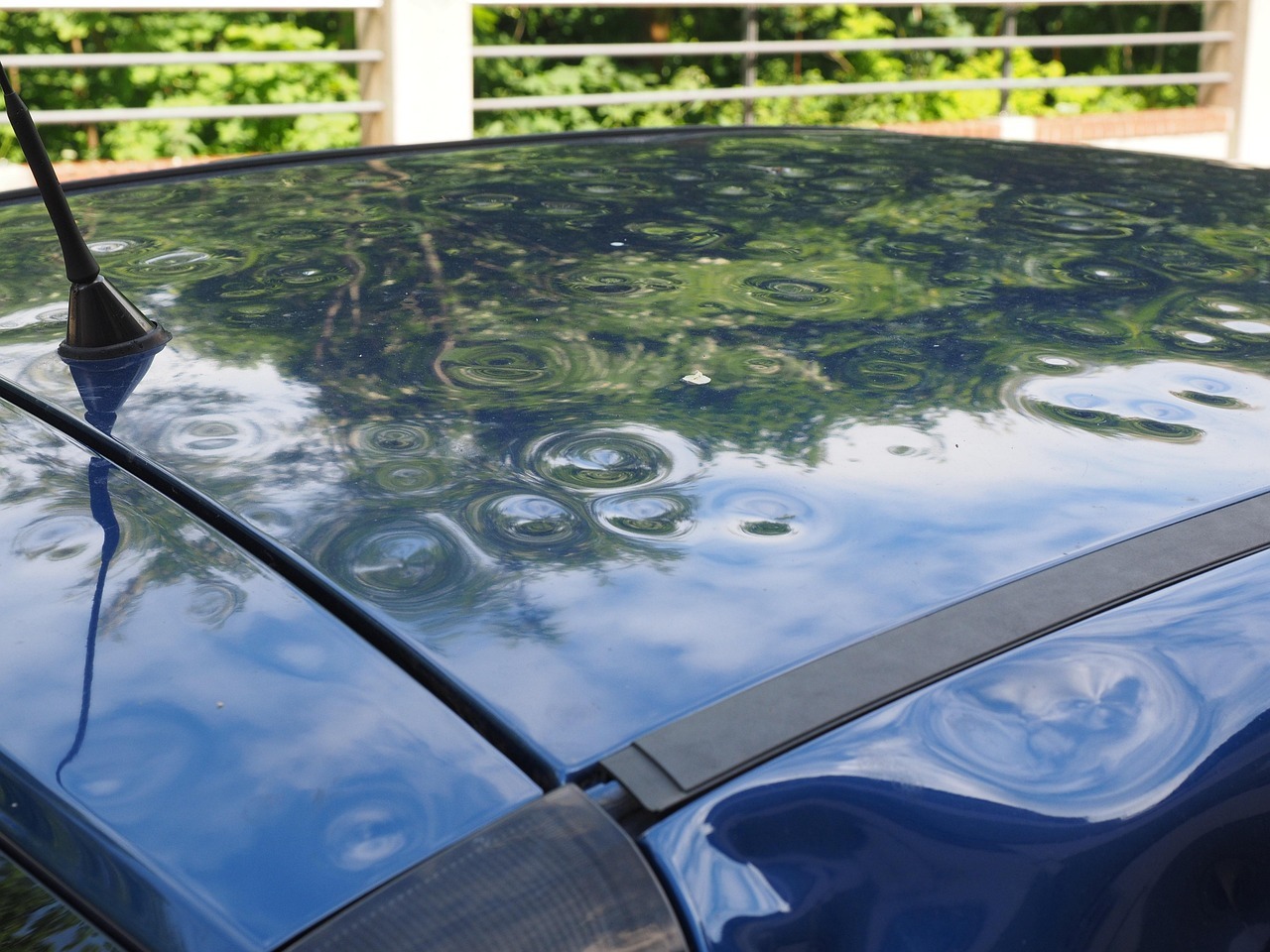
When hail falls, it can damage your vehicle’s surface, but also much more. For many people with car loans, it can also damage their finances. Understanding how to navigate insurance, loans, and repair choices can help you avoid turning storm damage into long-term debt.
Hail damage cars can often lead to loan debt if coverage falls short. Let’s delve into how claims, GAP insurance, repair choices, and timing can protect your wallet after a storm.
Let’s get right into it!
Can hail damage put you in debt?
A single storm can leave hundreds of dents and thousands of dollars in repair bills. If your car is financed, you might owe more than the vehicle is worth after the damage, which can create a surprising financial gap.⁹
When your car loan and repair costs collide
Imagine you owe $16,000 on your car loan, but the storm damage lowers your car’s value to $13,000. Insurance may only pay the car’s current market value. That leaves you responsible for the remaining $3,000, even if the car is totaled. Many drivers don’t realize this risk until the claim is processed.
It’s smart to review your loan balance and your car’s estimated value each year. Knowing that difference helps you see whether you’re at risk of “negative equity,” where you owe more than your car is worth.
How ignoring hail damage quietly hurts your finances
Small dents may seem harmless, but unaddressed damage can reduce resale value, increase corrosion risk, and raise questions during future insurance claims. Over time, this can compound into larger financial losses, especially when trading in or refinancing.
Hail damaged car: what does insurance really cover?
Insurance can protect you, but only if you know what kind of coverage you have and how claims work. Many people assume “full coverage” means every repair is covered. I did too, but it usually doesn’t.
What comprehensive coverage actually pays for
Hail damage is covered under comprehensive insurance, not collision. If you only carry liability insurance, you’ll be paying out of pocket. Comprehensive coverage pays for damage from weather, theft, or vandalism, minus your deductible. Common deductibles range from about $250 to $1,000, with $500 most common (some policies go higher to reduce premiums).¹
When insurance gaps leave you owing more than you think
Even with comprehensive coverage, you can still face debt. If the insurer totals the car, the payout goes to your lender first. If your loan balance exceeds your payout, you’ll owe the difference. That shortfall becomes personal debt unless you have GAP insurance.² ³
Should I claim hail damage on my car?
Filing a claim depends on the cost of the damage, your deductible, and whether you plan to keep or sell the vehicle soon.
When filing makes sense and when it backfires
File a claim when the repair cost clearly exceeds your deductible or when the damage affects safety or resale value. Avoid filing small claims repeatedly. Multiple minor claims can sometimes lead to higher premiums or policy reviews.
If your damage is purely cosmetic and your deductible is close to the repair cost, it may make more sense to pay out of pocket.
How to document damage for a fair payout
Take clear photos and videos from every angle, include a wide shot and close-ups of dents, and record your mileage and VIN in the same photo. Attach local weather alerts or hail reports as proof.⁴ ⁵ Documentation strengthens your claim if it’s questioned later.
Can hail damage total a car?
Yes. Even dents that look minor can lead to a total loss depending on your car’s value and the insurer’s threshold.
What insurers mean by “total loss”
A vehicle is totaled when repair costs exceed a threshold tied to its current value. In many states this is around 70%–80%, but rules vary and some states use a total loss formula that compares repair costs plus salvage value to the vehicle’s actual cash value.⁶ ⁷ For example, if your car’s value is $12,000 and repairs cost $9,000, your insurer might declare it a total loss and pay the market value minus your deductible.
How your car’s value decides everything
Insurance companies base payouts on your car’s “Actual Cash Value” (ACV), which factors in depreciation, mileage, and condition. Cars depreciate fastest in the first few years, which means new car owners are often the most at risk for being “upside down” after hail damage.
Will my insurance pay off the rest of my loan?
Unfortunately, not always. When your car is financed, the insurer pays your lender first.
What happens when your payout doesn’t cover your balance
If your payout is less than the amount you owe, you must still make payments. This is where many people get caught off guard, assuming “totaled” means “fully paid off.” Unless you have GAP insurance, that remaining balance becomes your responsibility.² ³
Options if you’re left with a loan shortfall
Contact your lender immediately. Some lenders allow payment extensions or settlements if the damage results from a natural disaster. Others may offer refinance options that include the remaining balance into a new loan. Always confirm in writing before agreeing to new terms.³
Do I need GAP insurance after hail damage?
If a hail total loss leaves your insurance payout lower than your remaining loan or lease balance, GAP can cover that shortfall to the lender; it doesn’t pay for repairs (²,³). GAP matters most in the first 2–3 years of a loan when depreciation outpaces what you’ve paid down. For salvage-limit caveats, refund rules, and the shortfall math, see our GAP & hail total-loss guide: Does GAP Insurance Cover Hail Damage?.
Is it worth fixing hail damage, or should I move on?
Well, this depends on the repair costs, your car’s value, and your financial situation.
The real math behind repair vs. replace
Compare the repair estimate to your car’s ACV. If repairs exceed 60–70% of the car’s value, it’s usually not worth fixing unless the vehicle is new or sentimental. You can check current market values using Kelley Blue Book or Edmunds before deciding.
When walking away makes better financial sense
If your loan is nearly paid off, accepting the insurance payout might free up cash to buy a replacement without new debt. If your loan is long and you’re underwater, trading the damaged car may deepen the debt hole. When in doubt, talk with both your insurer and lender before committing.³
How to fix hail damage without overspending
Not all repairs are equal. Choosing the right method can save thousands and preserve your car’s resale value.
Smart ways to compare repair estimates
Get at least two estimates: one from a certified body shop and another from a paintless dent repair (PDR) specialist. Compare warranties and turnaround times. Shops that specialize in hail damage may negotiate directly with insurers and help file supplemental claims if more damage is discovered during repairs.
Paintless dent repair vs. full body work
PDR uses specialized tools to reshape panels without repainting, making it cheaper and faster. Conventional repair involves sanding, filling, and repainting, which is better for deeper dents or cracked paint. Choose the method based on dent severity, not price alone.
How big does hail have to be to damage your car?
It doesn’t take much. Even pea-sized hail can cause visible dents on thinner sheet metal.
What size hail causes real damage
Quarter-sized hail can create small but visible dents, while golf-ball-sized hail can crack paint and glass. Larger hailstones can puncture metal panels or shatter windshields, leading to thousands in repair costs.⁸ It’s definitely no joke, just look how huge they get!

Why small dents still lower car value
Even minor cosmetic damage can reduce your car’s trade-in or resale offers because dealers factor repair costs into their bids, even if the damage doesn’t affect performance.
How to prevent future hail damage
You can’t control the weather, but you can control how prepared you are.
Habits that can save thousands
If you park outside, check local forecasts regularly during spring and summer. When storms approach, move your car to covered parking or use a padded hail protection cover. Keeping a weather app with alerts for your ZIP code is an easy preventative measure.⁵
Smart tools and coverage to prepare before storm season
Inflatable car shelters, portable garages, and heavy-duty covers provide strong protection in hail-prone areas. Before hail season, review your insurance coverage and confirm you have comprehensive protection.¹ Adjust your deductible if it feels unaffordable during an emergency.¹
What happens to your credit or budget after a hail claim?
Financial stress often follows storm stress. The key is keeping communication open and organized.
Staying current on payments during repairs
Claims take time. Keep paying your loan even if the car is in the shop or totaled. Skipping payments can damage your credit score and create long-term costs. If you can’t make payments, call your lender before the due date to request temporary hardship assistance.³ ¹⁰
How to protect your credit if you’re short on cash
If you face a deductible or shortfall, prioritize essentials: shelter, utilities, and food. Car loans come next. Consider credit counseling if bills begin to pile up.³ ¹⁰ Some nonprofit agencies specialize in disaster-related financial help.³
How to stay calm and make smart choices
It’s very normal to feel overwhelmed after sudden damage and unexpected costs.
Why financial stress clouds judgment
After a loss, people often make fast decisions to “get it over with,” which can lead to costly mistakes. Recognizing that anxiety is part of the process can help you slow down and think clearly. Give yourself permission to take a day before signing or agreeing to repairs. Slow and steady wins the race, just try to breathe and relax.
Regain control after a loss
Write down three facts: your loan balance, your deductible, and your insurer’s estimate.
Choose one next step you can complete today, like calling your lender or scheduling a repair.
Ask a couple of your friends or a professional for their perspective. Talking through a couple options helps separate your emotions from logic, and trust me, you’ll need to hear logic more than anything when your car has 100’s or 1,000’s of dollars in damage.
Bottom line: protect your finances before the next storm
Hail events are unpredictable, but your financial protection doesn’t need to be. Planning ahead can reduce your anxieties and risk of debt.
Quick recap and one action to take today
Check your insurance policy today to confirm you have comprehensive and GAP coverage.² If you don’t, get quotes before storm season begins.¹
The next step to strengthen your insurance and budget
Review your deductible, build a small emergency fund for out-of-pocket costs, and track your car’s current value. These habits make future claims simpler and less stressful.
In conclusion
Let’s face it, hail’s no joke. Hail damage cars don’t look cosmetically nice either. If your vehicle get’s damaged by hail, it doesn’t have to lead to debt if you understand how insurance, loans, and repair choices work together as one. Check your coverage and estimate your car’s value by using a trusted valuation site.
Then, visit your insurer’s online claim calculator or a loan payoff estimator to see where you stand financially before the next storm hits.
Check out this article about debt relief, and then how to start an emergency fund for peace of mind this week.
FAQ – Frequently Asked Questions
Does car insurance cover hail damage?
Yes, comprehensive insurance usually covers hail damage repairs. You will still pay your deductible before coverage applies.
Should I claim hail damage on my car?
File a claim if repair costs are higher than your deductible or if damage hurts resale value. Skip tiny cosmetic claims that barely exceed the deductible.
Can hail damage total a car?
Yes. If repairs approach your car’s market value, insurers may declare a total loss and pay the ACV instead of fixing it.
Is it worth fixing hail damage on a car?
It depends on value, severity, and loan status. For newer or financed cars, repairs often protect equity and future trade-in offers.
What size hail damages a car?
Around one-inch hail can dent panels or crack paint, and larger stones can shatter glass. Wind speed and angle also matter.
How much hail damage to total a car?
Many insurers total a car when repair costs reach about 70–80% of its value. Thresholds vary by insurer and state rules.
How can I prevent hail damage?
Park under cover or use a padded hail cover when storms are forecast. Set weather alerts so you can move the car in time.
Will hail damage affect my loan or credit?
Not directly, but a payout shortfall or missed payments can hurt credit. Contact your lender early if the claim creates a gap.
Continue reading

Does GAP Insurance Cover Hail Damage? Repairs vs Total Loss
The quick answer: No, GAP insurance doesn’t pay for hail repairs; it only covers your loan shortfall if the car is totaled. There could be exceptions though.

How Much Debt to File Bankruptcy? What You Need To Consider
Bankruptcy is designed to protect you, not punish you. If you’re wondering how much debt to file bankruptcy, there’s no legal minimum.

12 of the Best Jobs for People With Anxiety That Pay Well
Here are 12 flexible careers that could possibly reduce your stress and anxiety while earning reliable income.
Hail Damage Car and Debt: Costly Mistakes To Avoid
Learn how hail damage to your vehicle could be a very sudden costly mistake if not handled properly.

17 Quick Ways to Make Money When You’re Broke & Stressed
If you’re stressed out from being broke, and having little savings, these 17 side hustles could help you begin earning cash within a few days of starting.

Is National Debt Relief Legit? Everything You Need To Know
Is National Debt Relief legit? Here are the facts, risks, and benefits to help you understand your options for managing debt and quickly finding relief.

How to Build an Emergency Fund With A Tight Budget
Learn how to build an emergency fund that fits your budget, eases financial stress, and gives you a clear starter goal that you can begin growing today.

Strategies On How To Budget When You’re Broke
Learn how to budget when you’re broke with solid plans, paycheck mapping, quick cuts, and a starter emergency fund to reduce money stress.
Sources & References
1. Insurance Information Institute (III), “Understanding Your Insurance Deductibles.” (n.d.). Common comprehensive deductible ranges and trade-offs.
2. Consumer Financial Protection Bureau (CFPB), “What is Guaranteed Asset Protection (GAP) insurance?” March 12, 2024.
3. Consumer Financial Protection Bureau (CFPB), Take Control of Your Auto Loan (Guide). March 2024.
4. National Weather Service (NWS), Enterprise Forensic Services, “Hail Verification.” (n.d.). Overview of address-specific verification services.
5. National Weather Service (NWS), “Storm Report Records / Storm Data.” (n.d.). What official storm reports include.
6. Matthiessen, Wickert & Lehrer, S.C. “Automobile Total Loss Thresholds in All 50 States.” Last updated December 15, 2021. Compiled state thresholds chart.
7. WalletHub, “Total Loss Threshold by State.” October 17, 2023. Consumer explainer.
8. NOAA / National Severe Storms Laboratory (NSSL), “Severe Weather 101: Hail Basics.” (n.d.). Hail size and impact overview.
9. NOAA / National Centers for Environmental Information (NCEI), “U.S. Billion-Dollar Weather & Climate Disasters.” (Dataset covering 1980–2024; updates currently paused.)
10. Consumer Financial Protection Bureau (CFPB), “What are debt cancellation or suspension products offered with my auto loan?” March 8, 2024.